
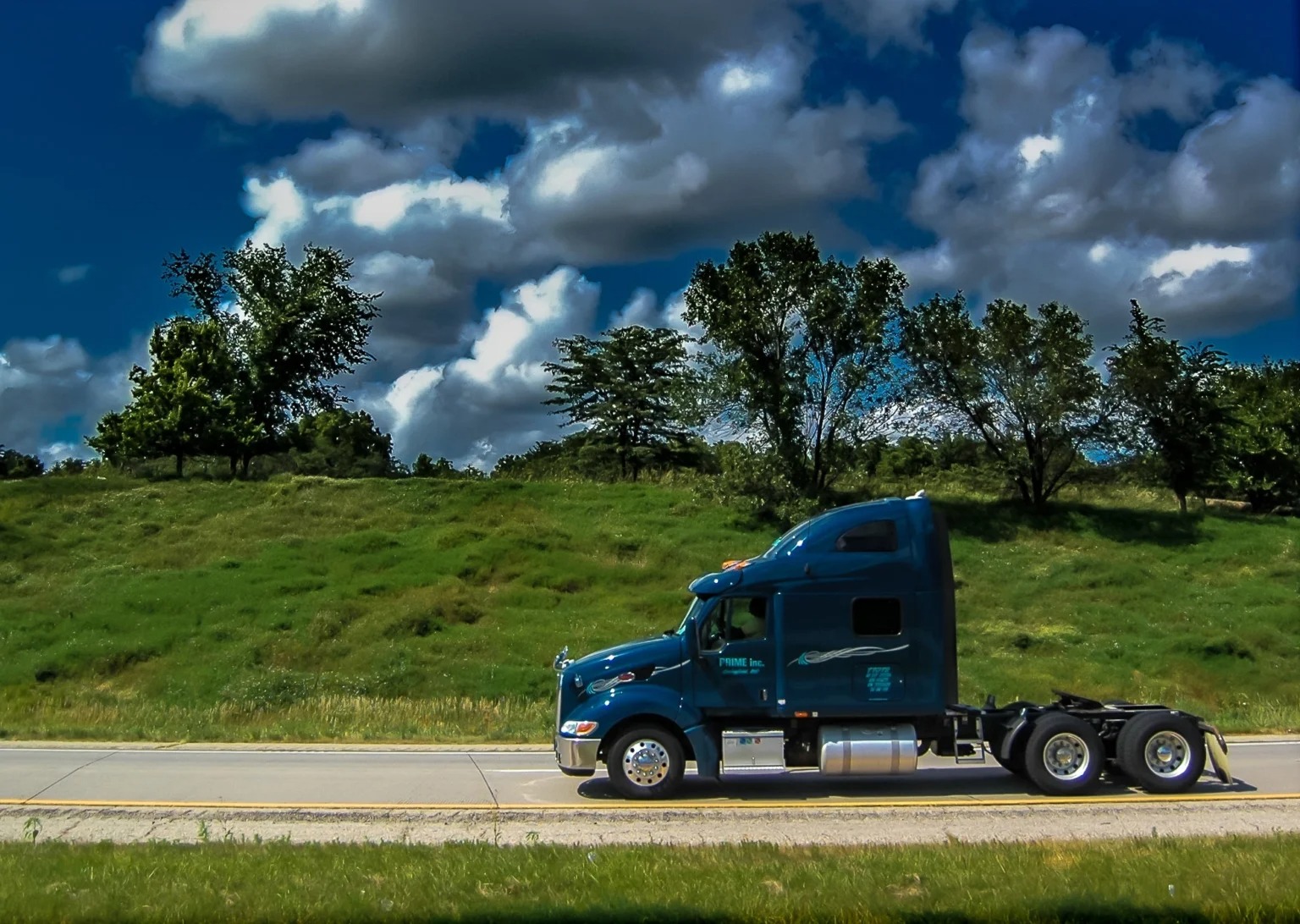
Power only trucking is a transportation service where a truck and driver haul a pre-loaded trailer owned by a shipper or broker. Power only carriers provide the tractor and professional driver, while the trailer remains with the customer, making it a flexible and cost-effective freight solution across the USA.
Power only trucking has become one of the fastest-growing freight models in the United States. As supply chains demand more flexibility, power only trucking companies offer a practical way to move freight without the overhead of trailer ownership. Whether you are a shipper looking to reduce costs or an owner-operator seeking consistent work, understanding how power only transportation companies operate is essential.
This guide breaks down everything you need to know, from how power only trucks work to why this model is gaining traction across American logistics networks.
What Is Power Only Trucking?
Power only truck refers to a freight service where the carrier supplies only the truck and driver, not the trailer. The shipper, broker, or logistics company provides the trailer, which may already be loaded and ready to move.
This model is commonly used for:
- Dry van trailers
- Refrigerated trailers
- Flatbeds
- Container chassis
- Drop-and-hook freight
Power only carriers simply hook up to the trailer, transport it to its destination, and drop it off according to instructions.
How Power Only Trucking Companies Operate
Power only trucking companies operate on efficiency and flexibility. Unlike traditional carriers, they do not manage trailer pools or storage yards. Their focus is on tractor utilization and driver productivity.
A typical power only transportation process includes:
- The shipper assigns a loaded trailer location.
- A power only truck arrives and hooks up.
- Freight is transported to the delivery point.
- The trailer is dropped, and the truck moves on to the next assignment.
This streamlined workflow helps reduce dwell time and improves turnaround speed, especially in high-volume freight corridors like California, Texas, Illinois, and New Jersey.
Why Power Only Transportation Is Growing in the USA
The rise of power only trucking in the USA is not accidental. Several industry trends are driving demand.
Increased Drop-and-Hook Freight
Major distribution centers prefer drop-and-hook operations to avoid loading delays. Power only trucks fit perfectly into this system.
Rising Equipment Costs
Trailer prices and maintenance costs continue to rise. Shippers prefer owning trailers while outsourcing tractor power to power only carriers.
Driver Shortages
Power only trucking companies help maximize driver hours by reducing wait times, making the job more attractive to professional drivers.
E-commerce Expansion
Large retailers and fulfillment centers rely heavily on preloaded trailers. Power only transportation companies keep these networks moving efficiently.
Benefits of Power Only Trucks for Shippers
Shippers across the USA are turning to power only trucking for several strategic reasons.
Lower Transportation Costs
By separating trailer ownership from tractor services, shippers reduce long-term capital expenses.
Faster Freight Movement
Power only trucks minimize loading delays, keeping supply chains moving smoothly.
Flexible Capacity
During peak seasons, shippers can scale operations quickly by hiring additional power only carriers without buying more equipment.
Reduced Operational Risk
Maintenance, compliance, and driver management remain the responsibility of the carrier, not the shipper.
Benefits of Power Only Trucking for Carriers and Owner-Operators
Power only trucking is equally attractive for carriers and independent drivers.
Lower Startup Costs
Power only carriers do not need to invest in trailers, making it easier for new entrants to start operating.
Consistent Freight Opportunities
Many power only trucking companies secure long-term contracts with brokers and shippers.
Reduced Detention Time
Drop-and-hook freight means less waiting and more driving time.
Geographic Flexibility
Power only trucks can operate nationwide, especially in high-demand lanes like Midwest to East Coast or Southern ports to inland hubs.
Industries That Rely on Power Only Carriers
Power only transportation companies serve a wide range of industries in the USA, including:
- Retail and big-box distribution
- Food and beverage logistics
- Automotive manufacturing
- Port and intermodal freight
- Construction and building materials
- Seasonal and promotional freight
Ports such as Los Angeles, Long Beach, Savannah, and Houston frequently use power only carriers for container drayage and chassis moves.
Types of Power Only Freight
Not all power only freight is the same. Common categories include:
Dry Van Power Only
Ideal for consumer goods, packaged products, and retail freight.
Reefer Power Only
Used for temperature-sensitive cargo such as food, pharmaceuticals, and produce.
Flatbed Power Only
Supports construction materials, machinery, and oversized loads.
Chassis Power Only
Common in port operations, where the carrier hauls containers mounted on chassis.
Each type requires specific experience and compliance knowledge from power only trucking companies.
Compliance and Regulations for Power Only Trucking in the USA
Power only carriers must follow the same federal and state regulations as traditional trucking companies.
Key compliance areas include:
- FMCSA operating authority
- DOT safety regulations
- Electronic logging device requirements
- Cargo insurance coverage
- Driver qualification standards
Although trailers are not owned by the carrier, power only trucking companies are still responsible for safe operation during transit.
Choosing the Right Power Only Transportation Company
For shippers, selecting a reliable power only carrier is critical.
Look for:
- Proven experience in power only trucking
- Strong safety record
- Nationwide or regional coverage
- Clear communication and dispatch support
- Understanding of drop-and-hook operations
Reliable power only transportation companies act as logistics partners, not just service providers.
Power Only Trucking vs Traditional Trucking
Understanding the difference helps businesses choose the right model.
Power Only Trucking
- Carrier provides truck and driver
- Shipper owns or leases trailer
- Faster turnaround times
- Lower equipment costs
Traditional Trucking
- Carrier provides truck and trailer
- More control for the carrier
- Higher capital investment
- Potential for longer wait times
Both models have value, but power only trucking offers unmatched flexibility in modern supply chains.
Future of Power Only Trucking in the USA
The future of power only trucking looks strong. As automation, warehouse efficiency, and e-commerce continue to evolve, demand for flexible freight solutions will increase.
Industry experts predict:
- More dedicated power only lanes
- Increased adoption by mid-sized shippers
- Technology-driven dispatch optimization
- Growth in regional and last-mile power only services
Power only transportation companies that invest in compliance, driver satisfaction, and operational efficiency will lead the market.
Final Thoughts: Is Power Only Trucking Right for You?
Power only trucking has reshaped how freight moves across the United States. For shippers, it delivers flexibility, speed, and cost control. For carriers and owner-operators, it offers steady work with lower overhead.
As logistics continues to evolve, power only trucks and power only carriers will play an increasingly vital role in keeping American commerce moving efficiently.
If your goal is scalable, reliable, and modern freight transportation, power only trucking is no longer an alternative. It is a strategic advantage.