
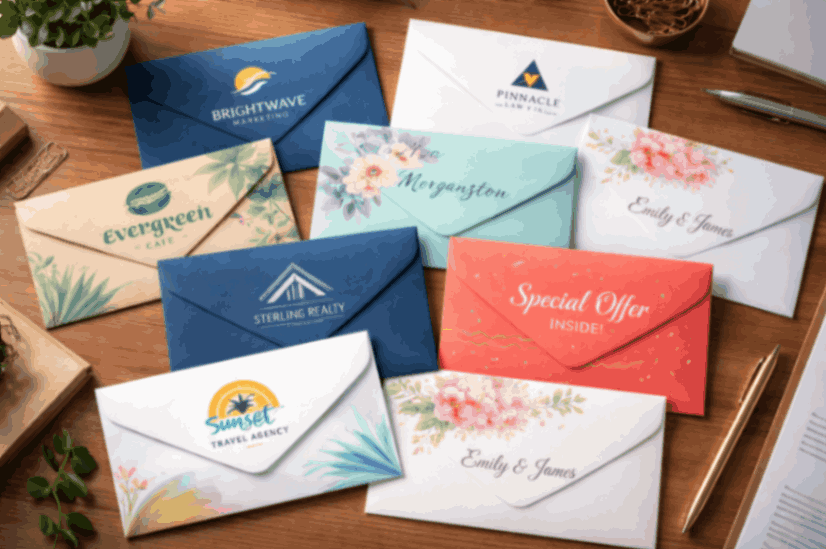
In an age dominated by emails, instant messages, and digital ads, it might seem surprising that envelope printing still plays a powerful role in communication. Yet, printed envelopes continue to be one of the most effective tools for businesses, institutions, and individuals who want their message to stand out before it is even opened. Envelope printing is not just about placing an address on paper—it is about branding, trust, creativity, and connection.
This article explores envelope printing in depth, explaining why it matters, how it has evolved, and how it can be used strategically in today’s competitive world.
Understanding Envelope Printing
Envelope printing refers to the process of adding text, graphics, logos, or designs onto envelopes. This can include recipient addresses, return addresses, company branding, promotional messages, and even artistic elements. The goal is to transform a plain envelope into a purposeful communication tool.
Unlike blank envelopes, printed envelopes immediately convey information and intention. They can signal professionalism, urgency, celebration, or exclusivity. From official documents to marketing campaigns, envelope printing adapts to many uses while maintaining a tangible, trustworthy presence.
Why Envelope Printing Still Matters Today
Despite digital alternatives, physical mail continues to command attention. Studies consistently show that people are more likely to open physical mail than promotional emails. A well-designed printed envelope increases curiosity and encourages engagement.
Envelope printing matters because:
- It creates a strong first impression before the message is read
- It reinforces brand identity through consistent visuals
- It builds credibility and trust, especially for official communication
- It increases open rates for marketing mail
When done correctly, envelope printing can turn a simple mail piece into a memorable experience.
The Role of Envelope Printing in Branding
Branding does not start inside the letter—it begins on the envelope. Colors, fonts, logo placement, and layout all communicate brand values instantly. A minimal, elegant envelope suggests sophistication, while a bold, colorful design conveys energy and creativity.
Consistent envelope printing across all correspondence helps businesses stay recognizable. When customers repeatedly see the same style and quality, it builds familiarity and confidence. Over time, the envelope itself becomes a silent brand ambassador.
Types of Envelope Printing Techniques
Modern envelope printing offers several techniques to match different needs and budgets:
Digital Printing
Ideal for short runs and variable data, digital printing allows personalization such as unique names or codes on each envelope. It is fast, cost-effective for small quantities, and offers sharp results.
Offset Printing
Best for large-volume orders, offset printing delivers consistent color accuracy and high-quality finishes. It is commonly used for corporate envelopes and mass mail campaigns.
Flexographic Printing
Often used for large-scale industrial printing, flexography is efficient and durable. It is suitable for simple designs and high-speed production.
Specialty Printing
This includes foil stamping, embossing, debossing, and spot UV. These techniques add texture and luxury, making envelopes visually and physically distinctive.
Choosing the Right Envelope Material
The paper quality of an envelope influences how the printed design appears and how it feels to the recipient. Common material options include:
- Standard white or colored paper for everyday use
- Kraft paper for a natural, eco-friendly look
- Textured paper for premium or formal communication
- Recycled paper for sustainability-focused brands
Selecting the right material ensures that envelope printing looks professional and aligns with the message being sent.
Envelope Printing for Marketing Campaigns
Direct mail marketing remains highly effective, especially when combined with thoughtful envelope printing. A creatively printed envelope can spark curiosity and motivate recipients to open it rather than discard it.
Marketing envelopes often include:
- Teaser messages or short calls-to-action
- Brand colors and logos for recognition
- High-contrast designs to stand out in mailboxes
By investing in envelope printing, marketers can significantly improve response rates and campaign performance.
Personalization and Variable Data Printing
One of the biggest advancements in envelope printing is personalization. Variable data printing allows each envelope to carry unique information, such as the recipient’s name, location, or a personalized message.
Personalized envelopes feel more relevant and less generic. They show effort and attention to detail, which increases the likelihood of engagement. For businesses, this means stronger relationships and better conversion rates.
Sustainability and Eco-Friendly Envelope Printing
Sustainability is becoming a priority for many organizations. Eco-friendly envelope printing uses recycled paper, soy-based inks, and waste-reducing processes.
Choosing sustainable options not only helps the environment but also sends a positive message to recipients. It shows responsibility and awareness, which can strengthen brand reputation and customer loyalty.
Common Mistakes to Avoid in Envelope Printing
Even with the best intentions, envelope printing can fall short if certain mistakes are made:
- Using low-quality images that appear blurry or faded
- Overcrowding the design with too much text
- Ignoring postal guidelines, leading to delivery issues
- Choosing colors that reduce readability
Careful planning, professional design, and proper testing help avoid these problems and ensure a polished final result.
Envelope Printing in Professional Communication
For legal documents, invoices, invitations, and official notices, envelope printing adds clarity and authority. Printed return addresses reduce errors, while clear recipient details ensure smooth delivery.
Professionally printed envelopes also save time and reduce manual labeling, making operations more efficient. They communicate seriousness and reliability, which is essential in formal correspondence.
The Future of Envelope Printing
Envelope printing continues to evolve alongside technology. Automation, digital workflows, and smarter printing systems are making the process faster and more flexible. At the same time, creative design trends are pushing envelopes beyond basic functionality into storytelling tools.
As digital fatigue increases, physical mail—enhanced by thoughtful envelope printing—may become even more valuable. Tangible communication feels more personal, deliberate, and trustworthy in a world overloaded with screens.
Conclusion
Envelope printing is far more than a technical process; it is a strategic element of communication. From branding and marketing to professionalism and sustainability, printed envelopes influence how messages are perceived and remembered.
By choosing the right design, material, and printing method, businesses and individuals can transform ordinary mail into impactful communication. In a fast-paced digital era, envelope printing remains a powerful way to slow down, capture attention, and make a lasting impression—starting right at the mailbox.