
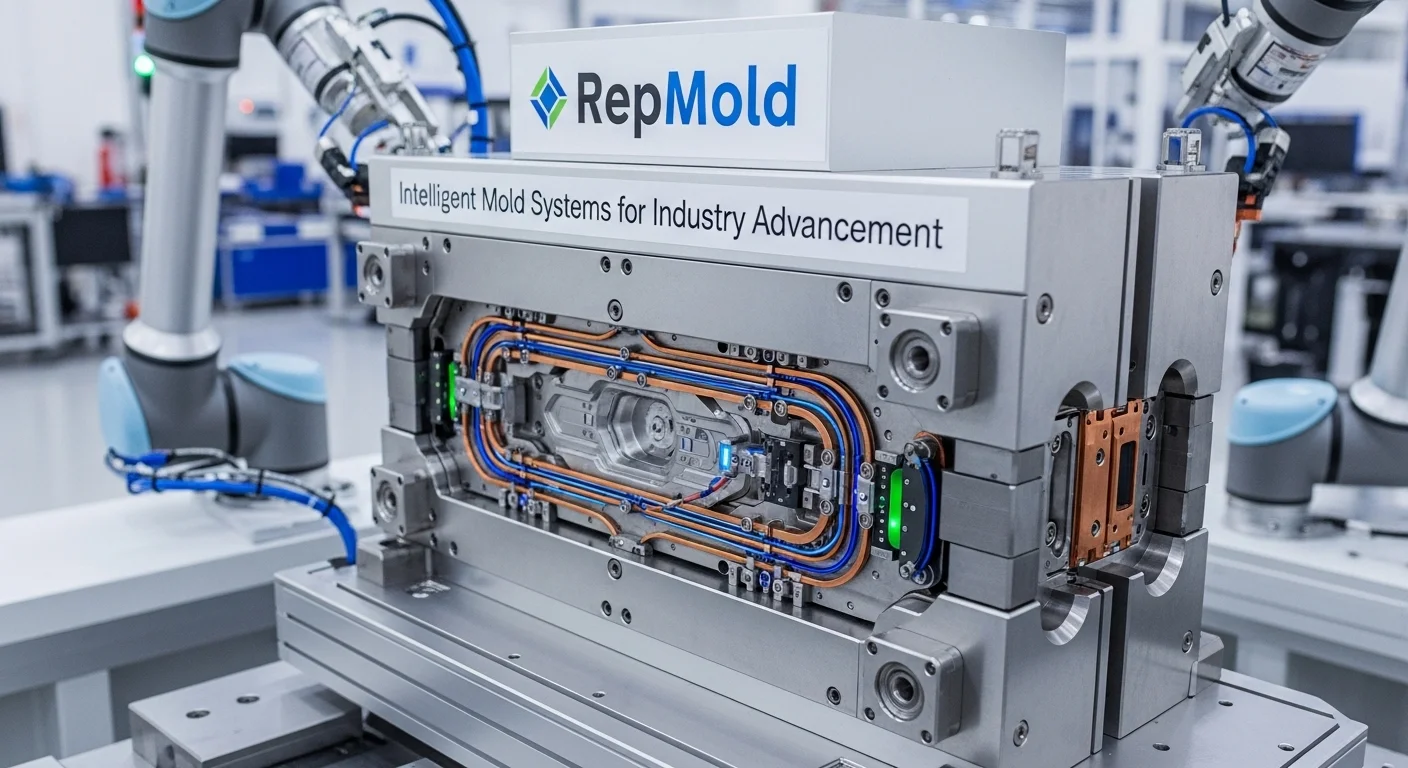
Introduction to Repmold
In the modern manufacturing industry, precision and efficiency are essential for producing high-quality products. One concept that has begun to attract attention in manufacturing discussions is Repmold. The term Repmold is often associated with advanced molding technologies and manufacturing processes designed to improve production accuracy and product consistency. As industries continue to evolve with the help of modern engineering solutions, approaches like Repmold highlight the importance of innovation in manufacturing systems.
Manufacturing companies constantly search for ways to streamline production, reduce waste, and create reliable products. Concepts like Repmold contribute to these goals by emphasizing advanced mold design, precision engineering, and improved material handling during the manufacturing process.
Understanding the Concept of Repmold
The idea behind Repmold is connected to mold-based manufacturing, which is widely used in industries such as plastics, automotive parts, consumer products, and electronics. In these industries, molds are used to shape raw materials into specific forms with high precision.
Repmold represents the effort to refine this process by focusing on improved mold replication, consistent product output, and efficient production cycles. By using advanced tools and technologies, manufacturers can ensure that each product created through the mold process maintains the same dimensions and quality standards.
Importance of Mold Technology in Manufacturing
Mold technology is a critical component of modern manufacturing systems. Without reliable molds, it would be difficult to produce large quantities of identical products. This is where approaches like Repmold become important. By improving the mold design process and enhancing durability, manufacturers can increase productivity and maintain product quality.
In industries where precision is essential, even small improvements in mold technology can lead to significant benefits. Better mold structures allow manufacturers to reduce defects, increase production speed, and extend the lifespan of production equipment.
Efficiency and Cost Optimization
One of the major advantages associated with Repmold is the potential for improved efficiency in manufacturing operations. Efficient mold systems reduce material waste and minimize the need for repeated adjustments during production.
When molds are designed with precision and durability in mind, companies can produce large numbers of identical components without sacrificing quality. This efficiency helps businesses save both time and resources, making the manufacturing process more cost-effective.
Cost optimization is particularly important for industries that operate on large production scales. Even small improvements in manufacturing efficiency can result in substantial savings over time.
Innovation and Technological Integration
As technology continues to advance, manufacturing systems are becoming more sophisticated. The concept of Repmold reflects this shift toward integrating modern tools such as computer-aided design (CAD), automated production equipment, and precision measurement systems.
These technologies allow engineers to design molds with exceptional accuracy before they are even produced. Digital simulations can test how materials will behave inside the mold, reducing the risk of production errors. This combination of digital design and physical manufacturing improves the overall reliability of the process.
Applications Across Different Industries
The principles behind Repmold can be applied across many industries that rely on mold-based production. For example, plastic manufacturing often uses injection molding to create products ranging from small household items to complex industrial components.
Similarly, automotive manufacturers rely on molds to produce parts such as interior panels, engine components, and structural pieces. Electronics companies also use molds to create casings and protective components for devices.
In each of these sectors, improved mold technology plays an important role in maintaining consistent product quality and supporting large-scale production.
The Future of Repmold in Manufacturing
The future of manufacturing will likely involve even greater levels of automation, digital design, and advanced materials. As industries adopt smarter production systems, the role of efficient mold technologies will become even more significant.
Concepts like Repmold may continue to evolve as engineers develop more advanced manufacturing techniques. With the help of artificial intelligence, robotics, and improved materials science, the next generation of mold systems could become more precise, durable, and adaptable than ever before.
These advancements will help manufacturers meet the growing global demand for high-quality products while maintaining efficiency and sustainability.
Conclusion
Repmold represents an important concept in the world of modern manufacturing and mold technology. By focusing on precision, efficiency, and innovation, it highlights the evolving role of advanced mold systems in industrial production.
As technology continues to improve manufacturing capabilities, approaches like Repmold will remain valuable for companies seeking reliable, high-quality production methods. Through continued research and development, mold technology will continue to shape the future of manufacturing and industrial design.