
Introduction
It may seem easy to hire a waste container, but if you pick the incorrect size, type, or service provider, what should be a simple job may rapidly become a frustrating and expensive one. The correct waste container makes sure that your home remodeling, business project, or continuous industrial activity runs smoothly, follows the rules, is safe, and is good for the environment. This article talks about the most important things you should think about before renting a waste container so that you can make a smart choice that meets the demands of your project.
Understanding Your Waste Type
Before setting up a waste can, determine what sort and how much waste your job will generate. Different sorts of waste must be handled, transferred, and discarded differently. Simple household waste like old furniture and clutter is easy to remove. Building and demolition waste frequently include heavy materials including bricks, concrete, tiles, wood, and plasterboard. These thick items may require special handling due to restrictions. Green waste including soil, garden clippings, and tree branches may have contamination restrictions. Asbestos, chemicals, oils, solvents, batteries, and medical waste should never be placed in normal waste. Please call a qualified hazardous waste handler to take it up. By identifying your waste early on, you can respect the law, prevent contamination fines, and seek advice from your provider on what may be put in the container and what type is ideal. Consider Skip Hire Urmston, as they offer a convenient way to manage household and construction waste.
Determining the Right Container Size
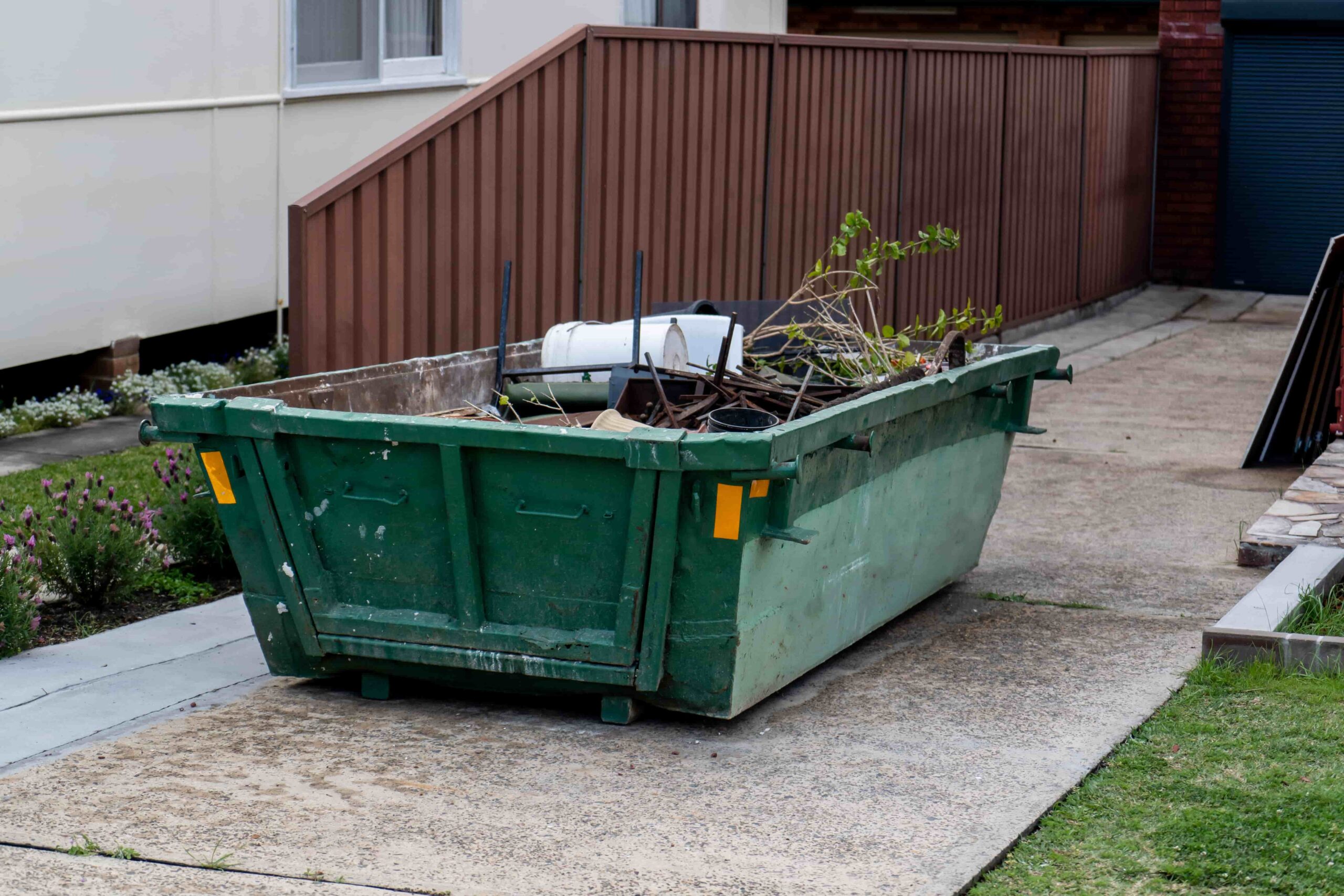
The correct container size is a crucial employment choice. A small container will fill quickly, prompting you to lease a second container or arrange multiple pickups, which increases costs and schedule disruptions. However, renting a large container may waste space. Consider the size of your project, the supplies, and whether the waste will be compact or bulky to estimate the right size. Even light construction detritus takes considerably more room. Decluttering can yield modest but heavy loads. Discussing your project with the supplier is best because experienced waste contractors may recommend sizes based on your facts and help you avoid guesswork and poor choice.
Assessing Placement and Access Requirements
Placement logistics are sometimes disregarded until delivery. Waste containers need room, firm ground, and vehicle access for drop-off and pickup. If the container is on public land like a pavement or street, you may require authorization. Trees, overhanging wires, and tight entrances can also impact location. Early access planning prevents last-minute issues and assures safety.
Understanding Local Regulations and Permits
To keep the people and the environment safe, waste management is heavily regulated. If you put your container on public property, like a street, sidewalk, or road verge, you will need a formal permit in many places. The permit process may include rules for signs, lights, how long things can be placed, and when people can drop off and pick up. There may also be laws about what can be thrown away in certain containers, where the waste can go, and how it must be handled. If you don’t follow the rules, you could get a fee, a penalty, or have to take the container away. Waste companies that are well-known know what the local government needs and can either get the permission for you or help you get it yourself.
Evaluating Environmental Responsibility
When renting a waste container, you should think about how it will last. Ask your provider how they will deal with the waste they pick up, if they sort it, and what percentage of it is recycled instead of being thrown away. Providers who promise to dispose of things in an ecologically friendly way can help you lower the carbon footprint of your project and may also help you follow the rules and improve your business’s reputation.
Comparing Pricing and Transparency
Price is usually a significant aspect, but the cheapest choice isn’t necessarily the best one. Make sure you know what the price includes when you compare quotations. Make sure you know if the rates include delivery, pickup, disposal, rental time, and taxes. Overfilling, forbidden products, longer hire periods, or contamination of recyclables can all lead to extra expenses. A supplier who is open will tell you all the fees up front.
Considering Rental Duration and Flexibility
Every project is different, and timelines vary. When picking a waste container provider, rental duration flexibility is crucial. Some companies offer limited hire periods with expensive extension costs, while others offer flexible arrangements for project delays, phased work, or staggered waste generation. Before committing, discuss extension policies if your schedule is unknown. Your waste solution should assist your workflow by allowing speedy exchanges, early collection, or longer rental terms. This service flexibility can save money, stress, and streamline your project.
Ensuring Safety and Risk Management
Always prioritize safety when placing and utilizing waste containers. Tipping, obstruction, or harm from sharp or unstable waste might result from improperly loaded or positioned containers. Overfilled containers violate laws and endanger site workers and the public. Waste above the container edge can fall and create mishaps. Understanding which items are prohibited is crucial since hazardous waste and combustible substances pose major safety risks. A responsible provider will clearly communicate loading heights, weight limitations, appropriate materials, and safe usage. Follow these recommendations to protect your workers, the public, and your project against accidents and responsibility.
Considering Site Security and Protection
Depending on your project, you may need security and site protection. Others may illegally dump waste in public or unsecured waste bins. Unauthorized people dump their waste in your container. Contamination, unanticipated fees, and waste disposal issues may result. Valued scrap containers can be stolen. You may reduce these dangers by purchasing a container with a lockable lid or working with your provider to develop site-specific security measures. Consider how to protect streets and planted areas from the container’s weight or movement. These steps will protect your property and finances.
Final Thoughts
A waste container isn’t merely dropped off at your site; it’s crucial to project success. Everything is easier when you take the time to buy the correct size container, think about how to get to it and where to put it, observe local restrictions, and deal with a reputable supplier. Costs keep low, collections happen on schedule, your site is clean and safe, and your waste is taken care of appropriately. In the end, if you prepare ahead before you lease a container, waste management will go from being a bother to a simple, well-organized task.
Also, read: How Domestic Skip Hire Supports Sustainable Waste Disposal?