
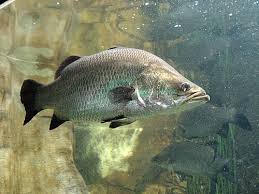
Seafood has long been recognized as a vital part of a healthy diet, offering rich nutrients, high-quality proteins, and essential fatty acids. Among various fish options, kalanji fish has started to attract attention for its unique taste and impressive health benefits. Popular in coastal regions, this fish is not only delicious but also packed with nutrients that support overall well-being. Whether grilled, fried, or cooked in curries, kalanji fish provides a flavorful way to boost your diet while benefiting your health.
Nutritional Profile of Kalanji Fish
Kalanji fish is known for its rich nutritional content. It is an excellent source of high-quality protein, which is essential for muscle development, repair, and overall body function. It is also loaded with omega-3 fatty acids, which are known to promote heart health, reduce inflammation, and support brain function. Additionally, kalanji fish contains important vitamins and minerals such as vitamin D, vitamin B12, calcium, and iodine. These nutrients play a vital role in bone health, energy production, thyroid function, and maintaining a strong immune system. Regular consumption of kalanji fish can contribute to a balanced and nutrient-rich diet.
Health Benefits of Kalanji Fish
The health benefits of kalanji fish make it a valuable addition to any diet. Its omega-3 fatty acids help reduce the risk of heart disease by lowering blood pressure and improving cholesterol levels. The high protein content supports muscle growth and tissue repair, making it ideal for both children and adults. Vitamin B12 in kalanji fish enhances energy levels and supports proper nerve function, while vitamin D and calcium strengthen bones and prevent deficiencies. Additionally, the antioxidants present in the fish help combat oxidative stress, supporting overall health and longevity. Consuming kalanji fish regularly can thus promote cardiovascular health, improve mental function, and strengthen the immune system.
Culinary Uses of Kalanji Fish
Kalanji fish is versatile and can be prepared in many delicious ways. In coastal cuisines, it is commonly used in curries, grilled dishes, and fried preparations. Its firm texture holds up well in stews and soups, while its mild flavor blends beautifully with spices and herbs. Some popular methods of preparing kalanji fish include pan-frying with turmeric and chili, marinating with lemon and herbs before grilling, or cooking in coconut milk-based curries. For those seeking a healthy option, steaming or baking kalanji fish preserves most of its nutrients while offering a light and flavorful dish. Its adaptability in the kitchen makes it a favorite choice for both traditional and modern recipes.
Tips for Buying and Storing Kalanji Fish
To enjoy the best taste and nutrition from kalanji fish, it’s important to select fresh and high-quality fish. Fresh kalanji fish should have bright eyes, firm flesh, and a mild, ocean-like smell. Avoid fish with a strong, ammonia-like odor or soft, discolored flesh. When storing, keep the fish refrigerated and consume it within one to two days for optimal freshness. Freezing is also an option, but it is best to do so immediately after purchase to preserve nutrients and flavor. Proper handling and storage ensure that kalanji fish retains its quality and health benefits.
Who Should Include Kalanji Fish in Their Diet
Kalanji fish is suitable for almost everyone looking to improve their nutrition. Its high protein content makes it ideal for athletes, growing children, and people recovering from illness or surgery. Omega-3 fatty acids benefit individuals concerned with heart health or cognitive function, while their vitamins and minerals support overall wellness for all age groups. However, people with seafood allergies should avoid consuming Kalanji fish. By incorporating this fish into weekly meal plans, families can enjoy a tasty, nutrient-rich source of protein while promoting long-term health.
Sustainability and Availability
As with all seafood, sustainability is an important consideration when consuming kalanji fish. Opting for fish sourced from responsible fisheries ensures the protection of marine ecosystems and maintains the availability of the species for future generations. Many local markets and coastal suppliers offer responsibly sourced kalanji fish, making it accessible without compromising environmental responsibility. Awareness about sustainable seafood practices allows consumers to enjoy kalanji fish while contributing to marine conservation efforts.
Conclusion
Kalanji fish is a nutritious, versatile, and flavorful choice for anyone seeking to enhance their diet. Packed with protein, omega-3 fatty acids, and essential vitamins and minerals, it supports heart health, brain function, and overall well-being. With its adaptability in the kitchen and wide range of culinary applications, kalanji fish can become a staple in weekly meals for families, athletes, and health-conscious individuals. By choosing fresh, high-quality fish and practicing sustainable consumption, you can enjoy both the taste and the health benefits of kalanji fish, making it a smart and delicious addition to any balanced diet.