
Introduction
Haskawana is a name that evokes imagery of untouched landscapes, cultural richness, and a deep connection between people and nature. Though not widely known on the global stage, Haskawana represents the kind of place where tradition and modern life blend harmoniously. It is a region celebrated for its scenic beauty, warm community spirit, and sustainable lifestyle practices that have been passed down through generations.
In this comprehensive article, we will explore the geography, history, culture, economy, lifestyle, tourism potential, environmental importance, and future prospects of Haskawana. By the end, you will have a detailed understanding of what makes Haskawana unique and why it deserves recognition.
Geographic Landscape of Haskawana
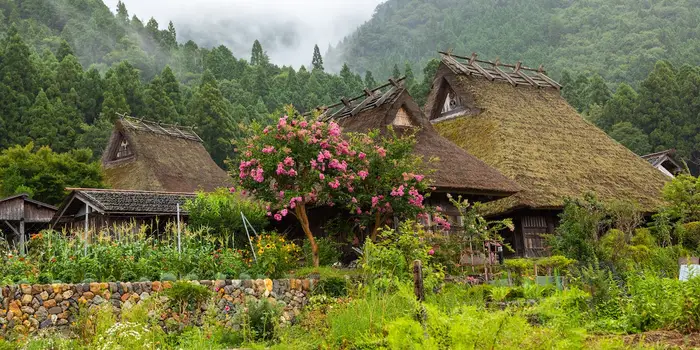
Haskawana is characterized by rolling hills, fertile valleys, winding rivers, and dense forests. The climate is typically moderate, with warm summers and cool winters that support diverse plant and animal life.
The region’s natural landscape provides:
- Rich agricultural land
- Abundant freshwater resources
- Scenic viewpoints and hiking trails
- Wildlife habitats
The rivers flowing through Haskawana are the lifelines of the community. They provide water for farming, fishing, and daily living. The forests offer timber, medicinal plants, and a natural shield against environmental changes.
This balanced ecosystem is one of Haskawana’s greatest assets, making it both ecologically valuable and visually stunning.
Historical Background
The history of Haskawana is rooted in resilience and adaptation. Early settlers chose the region for its fertile soil and reliable water sources. Over time, small farming communities grew into vibrant settlements.
Traditions, oral histories, and folklore form a significant part of Haskawana’s identity. Stories of ancestors, heroes, and community leaders are shared during gatherings and festivals. These narratives preserve knowledge about survival techniques, agricultural methods, and moral values.
Though modernization has influenced development, Haskawana remains proud of its historical roots. Many historical landmarks, traditional homes, and sacred sites are preserved to honor the past.
Cultural Heritage and Traditions
Culture in Haskawana revolves around community and celebration. Festivals are vibrant events featuring music, dance, local cuisine, and handcrafted decorations.
Key Cultural Features:
- Traditional Music and Dance
Folk instruments and rhythmic dances reflect the agricultural lifestyle and seasonal cycles. - Art and Craftsmanship
Handmade textiles, pottery, wood carvings, and woven baskets are common. - Cuisine
Local dishes are made from fresh produce, grains, and herbs grown in the region. - Community Gatherings
Weddings, harvest celebrations, and religious ceremonies strengthen social bonds.
Respect for elders and collective decision-making are important values in Haskawana society.
Economy and Livelihood
The economy of Haskawana is largely based on agriculture and small-scale industries. Farming remains the primary source of income for many families.
Main Economic Activities:
- Crop cultivation
- Livestock rearing
- Handicrafts
- Local trade
- Eco-tourism
In recent years, tourism has begun to contribute significantly to the economy. Visitors are drawn by the natural beauty, cultural experiences, and peaceful environment.
Entrepreneurs in Haskawana are increasingly adopting sustainable practices, such as organic farming and renewable energy solutions.
Tourism and Attractions

Haskawana offers numerous attractions for travelers seeking authenticity and tranquility.
Popular Experiences:
- Hiking through scenic mountain trails
- Exploring traditional villages
- Participating in cultural festivals
- Visiting waterfalls and riverbanks
- Staying in eco-friendly lodges
Unlike crowded tourist hotspots, Haskawana provides a peaceful retreat. Visitors often describe it as refreshing and spiritually uplifting.
Environmental Importance
Haskawana plays an essential role in maintaining ecological balance in its wider region. Its forests act as carbon sinks, and its rivers support biodiversity.
Environmental awareness is deeply embedded in local traditions. Many rituals emphasize respect for nature. Community-driven conservation programs protect wildlife and prevent deforestation.
The people of Haskawana understand that their survival depends on environmental preservation. Sustainable land use practices ensure that natural resources remain available for future generations.
Education and Modern Development
While Haskawana values tradition, it also embraces education and innovation. Schools teach both modern subjects and local heritage knowledge.
Recent developments include:
- Improved transportation infrastructure
- Access to digital communication
- Renewable energy initiatives
- Community healthcare centers
Balancing progress with preservation remains a key challenge, but careful planning has helped maintain cultural integrity.
Social Life and Community Structure
Social life in Haskawana is built around cooperation. Families often live in close proximity, supporting one another in daily tasks and emergencies.
Community councils help resolve disputes and make collective decisions. Social harmony is considered more important than individual competition.
This strong sense of unity contributes to the region’s overall stability and happiness.
Future Prospects of Haskawana
Looking ahead, Haskawana has strong potential for sustainable growth. With responsible tourism, eco-friendly agriculture, and educational advancement, it can continue to thrive without sacrificing its identity.
Key opportunities include:
- Expanding eco-tourism initiatives
- Promoting cultural exports
- Investing in renewable energy
- Developing local entrepreneurship
If managed wisely, Haskawana could become a model for sustainable rural development.
Frequently Asked Questions (FAQ)
1. Where is Haskawana located?
Haskawana is described as a culturally rich and naturally beautiful region characterized by valleys, forests, and rivers. Its exact geographical location may vary depending on context.
2. What is Haskawana known for?
Haskawana is known for its scenic landscapes, traditional culture, sustainable lifestyle, and strong community values.
3. What is the main source of income in Haskawana?
Agriculture is the primary source of income, followed by handicrafts and growing eco-tourism activities.
4. Is Haskawana a good tourist destination?
Yes. It is ideal for travelers seeking nature, peace, cultural experiences, and eco-friendly tourism.
5. What kind of climate does Haskawana have?
Haskawana typically has a moderate climate with warm summers and cool winters.
6. How does Haskawana protect its environment?
Through sustainable farming, forest conservation programs, and community awareness rooted in traditional values.
7. What cultural activities can visitors experience?
Visitors can enjoy folk music, traditional dances, local festivals, craft workshops, and authentic cuisine.
8. Is modernization affecting Haskawana?
While modernization is bringing infrastructure and technology improvements, the community carefully balances development with cultural preservation.
Conclusion
Haskawana represents more than just a geographic location—it symbolizes harmony between nature, tradition, and progress. Its landscapes inspire peace, its culture fosters unity, and its people demonstrate resilience.
As the world moves rapidly toward urbanization and industrialization, places like Haskawana remind us of the importance of balance, sustainability, and community spirit. Whether as a travel destination, a model of development, or a symbol of cultural pride, Haskawana stands as a remarkable example of living heritage.