
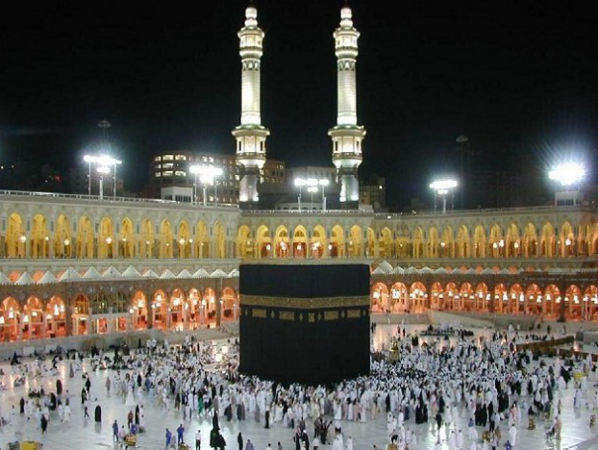
The Ramadan Umrah season is a pivotal period for Saudi Arabia, not only from a religious standpoint but also as a driver of economic and tourism growth. During Ramadan, millions of Muslims flock to Saudi Arabia to perform the Umrah pilgrimage, significantly impacting the local economy. In this article, we’ll explore how Ramadan Umrah packages affect local businesses, create job opportunities, boost tourism, and contribute to the overall economic development of Saudi Arabia.
Key Impacts on the Local Economy
- Revenue Generation: Ramadan Umrah packages generate substantial income for Saudi Arabia. Pilgrims spend on flights, accommodations, transportation, food, and religious services. This spending creates a direct and consistent revenue stream for both the government and local businesses in Makkah, Madinah, and the surrounding areas.
- Boost to Hospitality Sector: Hotels, restaurants, and cafes in Makkah and Madinah experience significant demand during Ramadan. Pilgrims often book packages that include accommodations close to religious sites like the Grand Mosque in Makkah and the Prophet’s Mosque in Madinah, ensuring full bookings for local establishments.
- Transportation Industry Growth: With the influx of pilgrims, transportation services, including taxis, buses, and even private car rentals, see a rise in demand. These services are essential for transporting large groups of pilgrims between Makkah, Madinah, and other holy sites, creating a spike in business activity for local transport companies.
- Retail and Souvenir Sales: Pilgrims often purchase religious items, souvenirs, clothing, and other goods during their stay. Local shops benefit from the influx of customers, contributing to the economy of Makkah and Madinah through increased sales. Special Ramadan-themed products and services, such as prayer rugs, Qurans, and religious books, see a surge in demand.
- Tourism-Related Services: Ramadan Umrah packages often include guided tours of important religious sites. Tour guides, operators, and service providers experience increased demand, contributing to the growth of Saudi Arabia’s tourism industry. The presence of international pilgrims also encourages cultural exchange and reinforces Saudi Arabia as a hub for religious tourism.
Job Creation and Employment Opportunities
- Temporary Employment: To accommodate the high number of pilgrims, many businesses in Makkah and Madinah hire additional staff during the Ramadan Umrah season. Jobs in the hospitality, retail, and transportation sectors are in high demand, providing both temporary and long-term employment opportunities for locals.
- Skilled Jobs in Tourism Management: The growth of the tourism sector due to Ramadan Umrah packages leads to a higher demand for skilled workers in areas such as tourism management, marketing, and logistics. Specialized knowledge in handling pilgrim needs and religious tourism creates job opportunities for professionals in the field.
- Support for Small Businesses: The Ramadan pilgrimage is particularly beneficial for small businesses that cater to the needs of pilgrims. From halal food vendors to shops selling prayer beads and religious attire, local entrepreneurs thrive during this time. The economic activity generated by pilgrims fosters a vibrant local marketplace.
- Investment in Infrastructure: With the rising number of pilgrims year after year, Saudi Arabia invests in infrastructure projects such as new hotels, transportation networks, and retail outlets. These investments create long-term employment opportunities and improve the overall economic stability of the region.
Tourism Growth and Its Role in Vision 2030
- Boost to Religious Tourism: Umrah, particularly during Ramadan, is a key pillar of Saudi Arabia’s religious tourism industry. The country’s Vision 2030 strategy includes diversifying the economy and increasing the number of international visitors. Ramadan Umrah packages play a major role in this vision by attracting more tourists to the Kingdom.
- Expansion of Pilgrimage Infrastructure: Saudi Arabia has made significant investments in the infrastructure of the holy cities, including the expansion of the Grand Mosque and improvements to transportation systems. These developments ensure a smoother experience for pilgrims and attract more visitors, thus fueling economic growth.
- Global Recognition of Saudi Arabia as a Tourism Hub: As more pilgrims travel to Saudi Arabia during Ramadan, the Kingdom strengthens its position as a global leader in religious tourism. The positive experience of pilgrims can lead to word-of-mouth recommendations, further increasing the number of visitors in future years.
Saudi Arabia’s Economic Diversification
- Moving Beyond Oil: While oil remains a significant source of revenue, Saudi Arabia’s Vision 2030 emphasises economic diversification. The tourism sector, with Ramadan Umrah packages at its core, is one of the major contributors to this diversification. The growing demand for religious tourism has driven the development of hospitality, transportation, and retail industries, all of which contribute to a more diverse economy.
- Impact on Local Entrepreneurs: Local entrepreneurs in Makkah and Madinah benefit from the influx of pilgrims by providing services, such as small-scale food operations, transportation, and personalised religious services. This local entrepreneurial activity has long-term benefits for the economic development of the region.
Social and Cultural Exchange
- Cultural Integration: Pilgrims from different parts of the world bring their unique cultures and practices to Saudi Arabia. This cultural exchange not only enhances the local tourism experience but also enriches the Saudi social fabric. Local communities benefit from interacting with people from diverse backgrounds, fostering a sense of global unity through the shared experience of Umrah.
- Supporting Saudi Tourism Projects: Saudi Arabia’s broader tourism plans also benefit from the demand for Ramadan Umrah packages. The government’s investment in improving tourist facilities and attractions, including non-religious sites like museums and cultural heritage centres, is supported by the influx of visitors during Ramadan.
Conclusion
The impact of Ramadan Umrah packages on Saudi Arabia’s economy is undeniable. From generating significant revenue in the hospitality, retail, and transportation sectors to creating thousands of job opportunities, the Ramadan Umrah season is a vital component of the Kingdom’s economic health. As part of Saudi Arabia’s Vision 2030, the pilgrimage industry helps fuel the nation’s diversification strategy, shifting away from oil dependency and toward a more balanced and sustainable economic model.
Furthermore, the positive effects extend beyond financial gains. Ramadan Umrah packages contribute to the development of infrastructure, support local entrepreneurship, and encourage cultural exchange. By continuing to prioritize religious tourism, Saudi Arabia solidifies its place as a global leader in the tourism sector, ensuring long-term economic growth and prosperity for its people.