
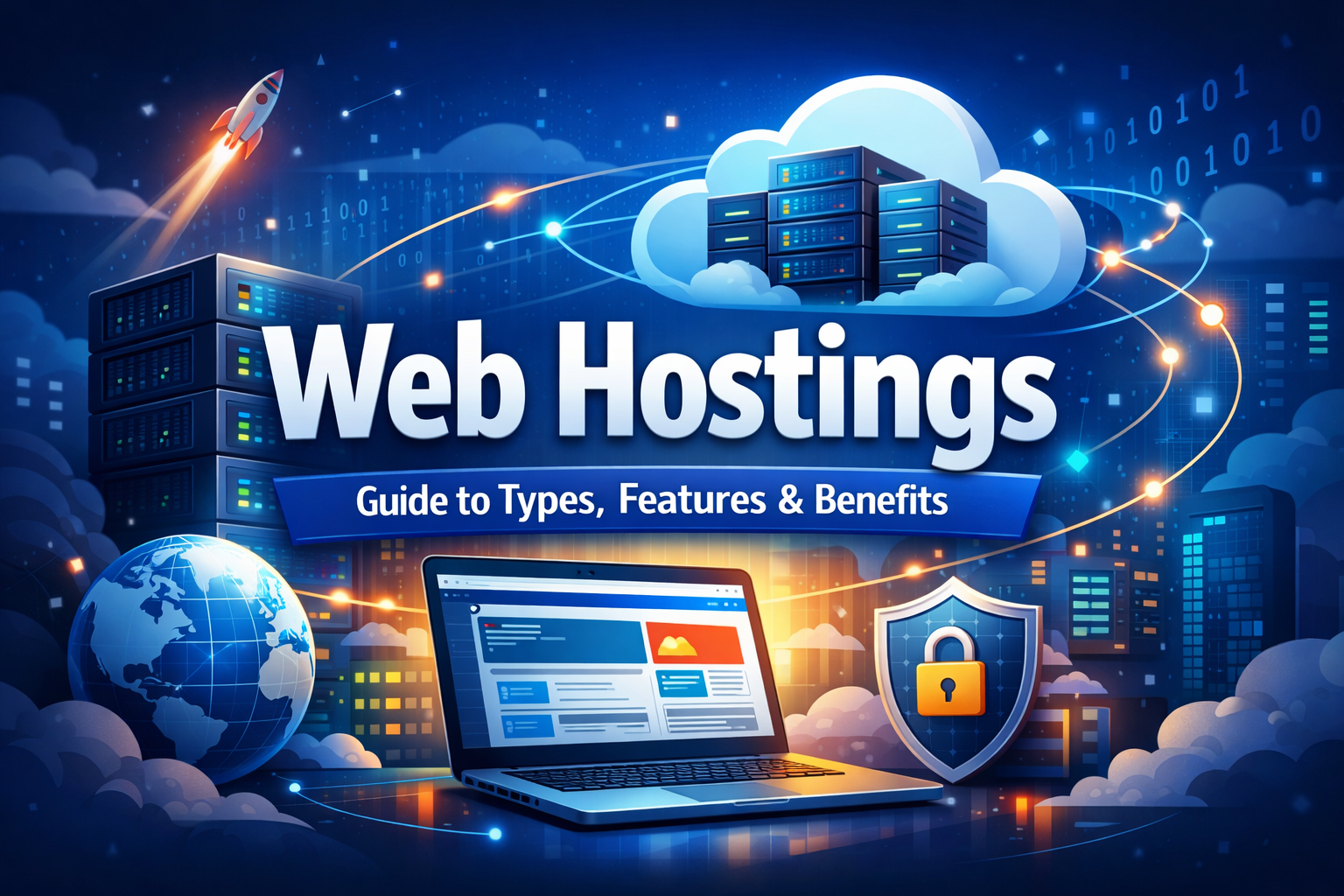
What Are Web Hostings?
In today’s digital world, having an online presence is no longer optional. Whether you are running a personal blog, an eCommerce store, or a corporate website, web hostings play a critical role in keeping your site accessible to users across the globe. Without a reliable hosting solution, even the best-designed website cannot function properly. This detailed guide explains what hostings are, how they work, the different types available, and why choosing the right hosting matters for long-term success. best web hosting services in 2026.
Web hostings refer to services that store website files and make them accessible on the internet. When someone types your website address into a browser, the hosting server delivers your site’s content to the user. These servers are powerful computers that operate continuously to ensure websites remain available at all times.
Hosting services provide the technology, infrastructure, and support needed to run websites smoothly. This includes storage space, bandwidth, security features, and server maintenance. Without hosting, a website cannot be viewed online, making hostings the foundation of every digital project.
How Web Hostings Work
Behind every website is a server connected to the internet. When you purchase a hosting plan, your website files are stored on that server. Each time a visitor accesses your site, their browser sends a request to the server, which then responds by loading the website pages.
Hosting providers manage the server hardware, operating systems, and technical configurations. This allows website owners to focus on content and growth instead of worrying about server management. Reliable hostings ensure fast loading speeds, minimal downtime, and secure data transmission, all of which contribute to a better user experience.
Why Web Hostings Are Important
The importance of web hostings goes beyond simply keeping a website online. Hosting quality directly affects website performance, search engine rankings, and user trust. Slow or unreliable hostings can result in frequent downtime, leading to lost visitors and reduced credibility.
Search engines also consider website speed and uptime when ranking pages. A stable hosting environment improves site performance, which can positively impact search visibility. Additionally, secure hostings protect sensitive data and prevent cyber threats, making them essential for businesses handling customer information.
Different Types of Web Hostings
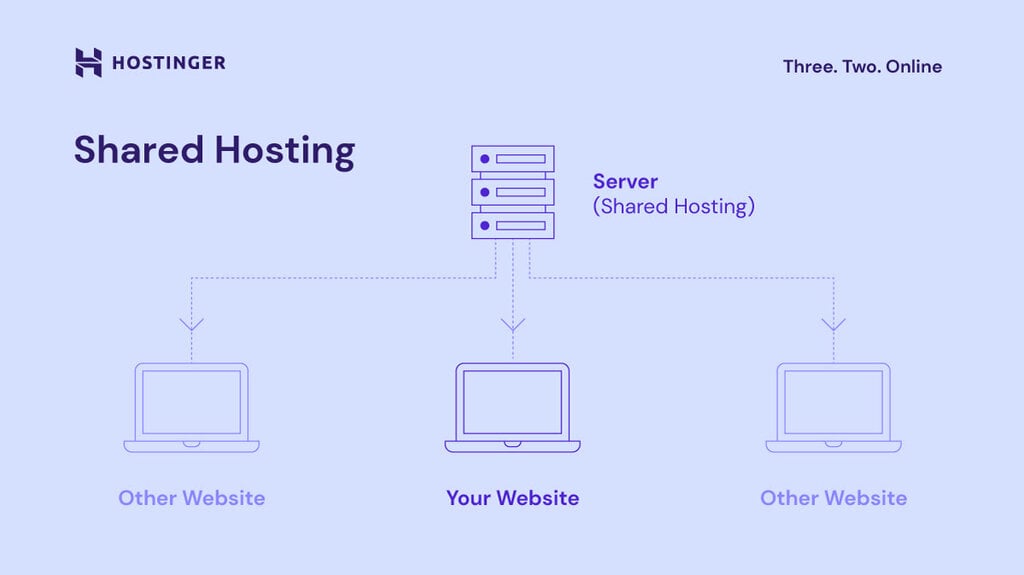
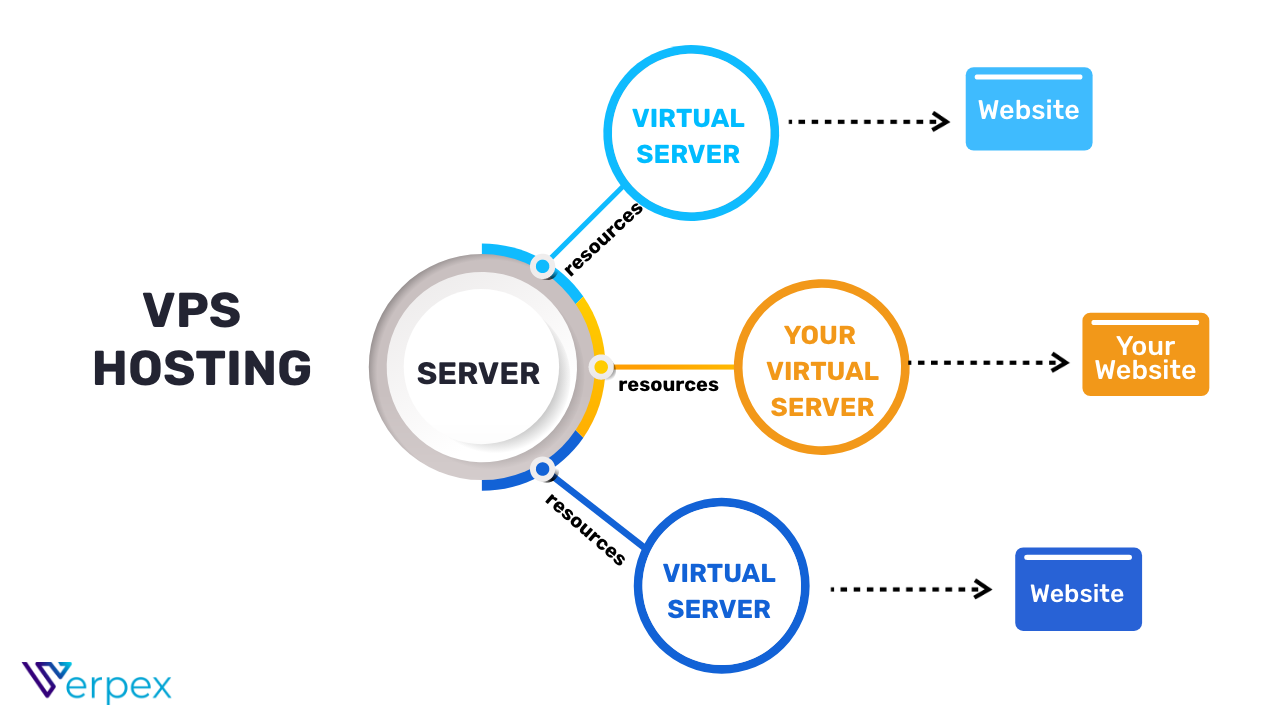

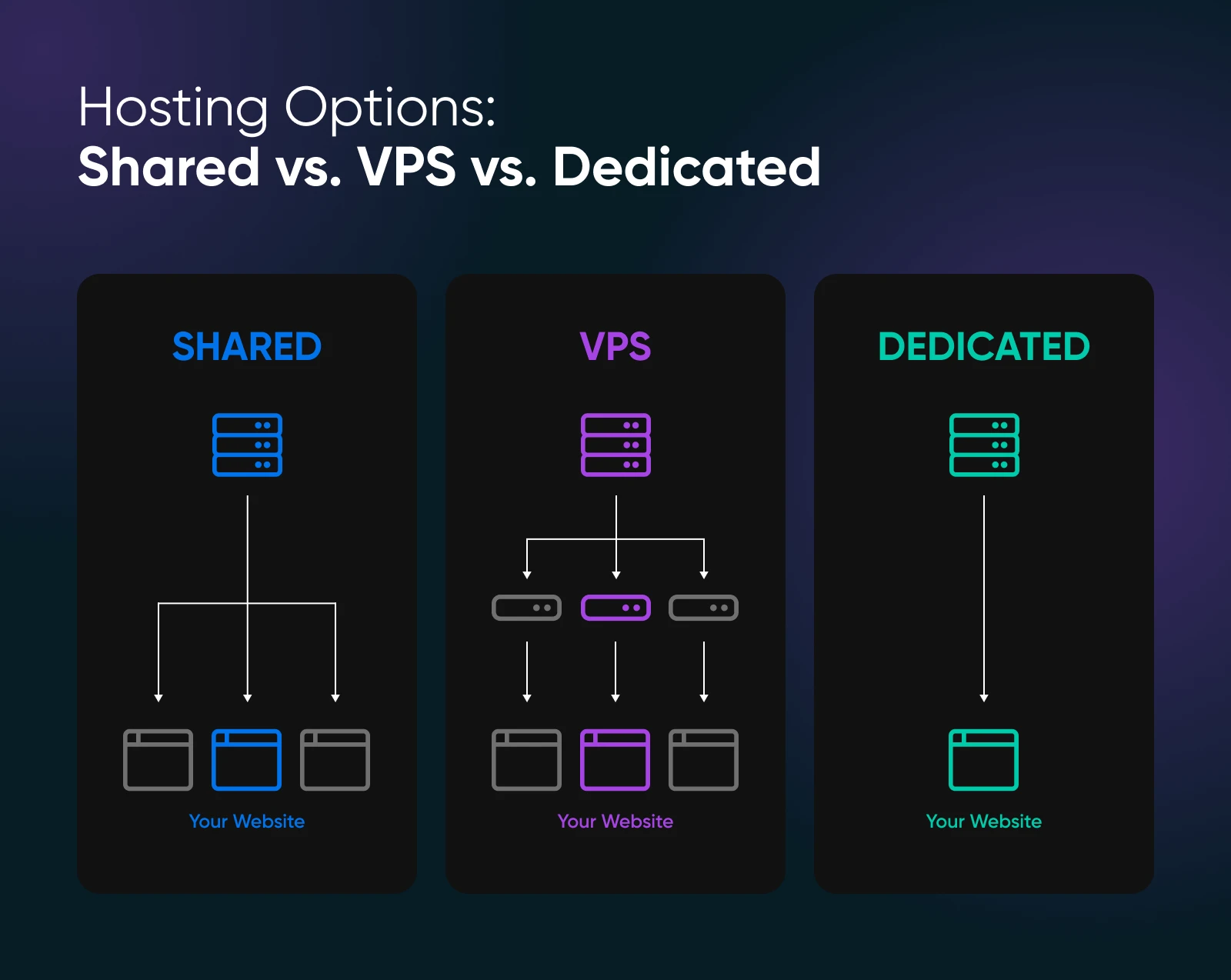
There are several types of web hostings available, each designed to meet different needs. Understanding these options helps in selecting the most suitable hosting solution.
Shared hostings are the most common and budget-friendly option. In this setup, multiple websites share the same server resources. This makes it affordable and easy to manage, especially for beginners. However, performance may be affected if other websites on the server experience high traffic.
VPS hostings offer a balance between affordability and performance. A virtual private server divides a physical server into multiple isolated environments. Each website gets dedicated resources, resulting in better speed and reliability compared to shared hostings.
Dedicated hostings provide an entire server exclusively for one website. This type of hosting delivers maximum performance, security, and customization options. It is commonly used by large businesses and high-traffic websites that require complete control over server resources.
Cloud hostings distribute website data across multiple servers instead of relying on a single machine. This setup enhances scalability and reliability, as resources can be adjusted based on traffic demands. Cloud hostings are ideal for growing websites that need flexibility and consistent performance.
Key Features to Look for in Web Hostings
When choosing web hostings, certain features play a vital role in determining overall quality. Storage capacity defines how much data your website can hold, while bandwidth affects how many visitors your site can handle at once. Adequate resources ensure smooth performance even during traffic spikes.
Security features are equally important. Reliable hostings offer protection against malware, data breaches, and cyberattacks. Regular backups, SSL support, and firewall protection help keep websites safe and recoverable in case of issues.
Customer support is another essential factor. Technical problems can occur at any time, and responsive support ensures quick resolution. Hosting providers that offer round-the-clock assistance help minimize downtime and maintain website stability.
How to Choose the Right Hosting for Your Website
Selecting the right hosting depends on your website’s purpose, size, and growth plans. Small blogs and personal websites often perform well on shared hostings, while business websites benefit from VPS or cloud solutions.
It is also important to consider long-term scalability. Choosing hostings that allow easy upgrades ensures your website can grow without major disruptions. Performance, security, and reliability should always be prioritized over cost alone, as poor hosting can negatively impact user experience and brand reputation.
Web Hostings and Website Performance
Website speed is a crucial factor in retaining visitors. Fast-loading pages improve engagement and reduce bounce rates. High-quality web hostings use optimized servers and modern technologies to deliver content quickly.
Performance also affects search engine optimization. Search engines favor websites that load faster and provide consistent availability. Investing in reliable hostings contributes to better rankings and increased organic traffic over time.
The Role of Web Hostings in Business Growth
For businesses, web hostings are more than just a technical requirement. They serve as the backbone of online operations. Reliable hostings ensure uninterrupted access to products, services, and information, helping businesses build trust with customers.
Scalable hosting solutions support business expansion by accommodating increased traffic and new features. As businesses grow, their hosting needs evolve, making flexibility and reliability essential for long-term success.
FAQs About Web Hostings
What is the difference between hosting and a domain?
A domain is the address users type into a browser to visit a website, while hostings store the website’s files and make them accessible online. Both are necessary for a website to function properly.
Can I change my hosting provider later?
Yes, websites can be migrated from one hosting provider to another. Most hosting services offer migration support to make the transition smooth and minimize downtime.
Are free hostings reliable?
Free hostings often come with limitations such as slow speeds, restricted resources, and lack of security. For professional or business websites, paid hostings provide better performance and reliability.
How much hosting space do I need?
The required hosting space depends on your website’s size, content, and traffic. Simple websites need minimal storage, while media-heavy or eCommerce sites require more resources.
Does hosting affect SEO?
Yes, hosting affects SEO indirectly. Fast loading speeds, high uptime, and secure connections improve user experience, which search engines consider when ranking websites.
Conclusion
Web hostings are the foundation of every successful website. From ensuring accessibility to enhancing performance and security, the right hosting solution plays a vital role in online growth. By understanding how hostings work and choosing a service that aligns with your goals, you can create a reliable and scalable online presence. Whether you are launching a new website or upgrading an existing one, investing in quality web hostings is a decision that pays off in the long run.