
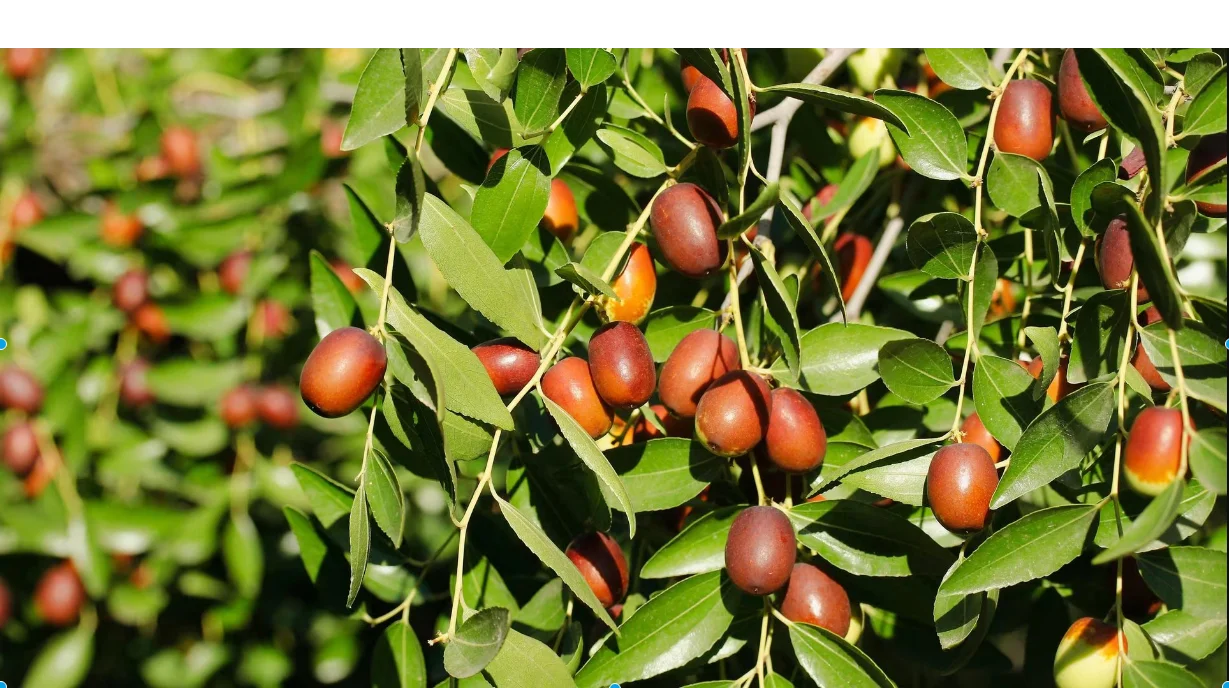
What Are Žižole?
Žižole are the fruit of the Ziziphus jujuba tree. They look like tiny apples with green or yellowish smooth skin when fresh. The skin turns reddish-brown with ripening and sweetens. In their dried state, žižole resemble dates, so they are commonly referred to as Chinese dates even though they are of a completely different botanical variety than proper dates.
Nutritional Value of Žižole
Žižole are a good source of key nutrients and antioxidants. They’re packed with vitamin C, vitamin A, potassium, iron, and fiber. These are vital nutrients that help to bolster the immune system as well as increase digestion and which also add to general health. The fruit is also low in calories, which means it’s a good snack.
In historical medicine, žižole have been considered as a sedative. They are frequently used to lessen stress, ensure better sleeping and well-being.
Health Benefits of Žižole
Did you know that Žižole have plenty of health benefits if are regularly consumed in moderate amounts:
- Boost your immune system: Rich in vitamin C, which may help the immune system.
- Aids digestion: Fiber is essential for a healthy digestive system and regular bowel movements.
- Encourages better sleep: Žižole are historically used to decrease anxiety and produce a sound peaceful sleep.
- Supports heart health: Potassium is known to help blood pressure.
- Antioxidants: Help protect the body from oxidative stress and inflammation.
Due to those advantages, žižole are commonly used in herbal teas and folk medicines.
Culinary Uses of Žižole
Žižole is good in so many ways. Raw, fresh žižole are very crunchy and taste slightly sweet. Dried žižole are our version of the raisin — chewier and sweeter they can be added to teas, desserts and baked goods. In some countries, they are preserved in jams and sometimes consumed with syrups or typical candy.
Žižole tea is said to be particularly popular and is believed to support relaxation as well as the digestion.
Cultural and Traditional Importance
In some areas, žižole trees constitute traditional agriculture and local heritage. Seasonal eating and natural healing he remarks are often related to the fruit. In some communities, žižole represent health, long life and even wealth and they are often given as presents at festivals or family occasions.
Storage and Consumption Tips
Fresh žižole should be kept in a cool place or in the refrigerator and eaten within few days. Dried žižole can be preserved longer in impermeable containers. Healthy as žižole are, like most things they should be eaten in moderation, particularly by people watching blood sugar levels.
Frequently Asked Questions (FAQ)
What is žižole in English?
Žižole is what jujube or Chinese date are referred in English.
Are žižole good for health?
Yes, žižole contain lots of vitamins, antioxidants and fiber that are good for immunity, digestion and relaxation.
Can žižole help with sleep?
According to tradition, žižole has stress reducing and sleep improving effects, particularly if taken as a tea.
How can žižole be eaten?
Žižole can be consumed fresh, dried, brewed as tea and in desserts, jams, or herbal remedies.
Are žižole suitable for children?
When consumed in reasonable quantities, yes, žižole are safe and healthy for children.
Where do žižole grow?
They grow in Asia, the Mediterranean area and some parts of Europe, particularly in warm climates.
Final Thoughts
Žižole (jujube) is a versatile, nutrient-rich fruit with a long history in traditional cuisine and medicine. Whether enjoyed fresh, dried, or as tea, it offers both delightful flavor and meaningful health benefits when included as part of a balanced diet.