
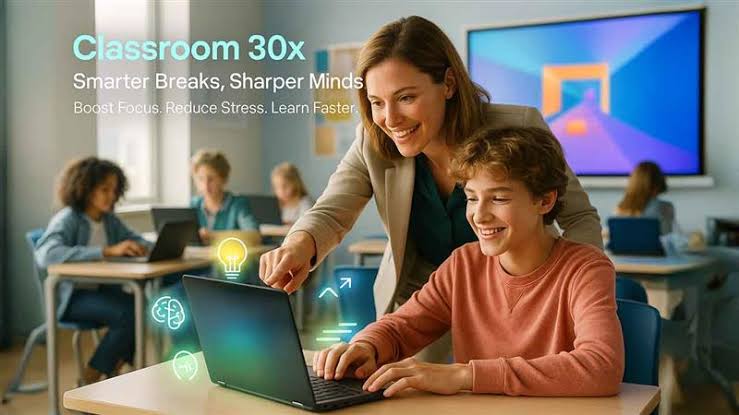
What Is Classroom 30x?
Classroom 30x is a term that can be used to describe a modern approach to classroom organization, learning, technology, and student engagement. Unlike a traditional classroom model that may focus mainly on rows of desks, textbooks, and teacher-led instruction, the idea behind Classroom 30x can represent a more flexible and technology-aware learning environment. The “30x” concept may be interpreted differently depending on the platform, program, school, or educational resource using the term, so it is important not to assume that it refers to one universally defined product or system. In a broader educational context, however, Classroom 30x can be understood as a way of thinking about classrooms that places greater emphasis on adaptability, collaboration, digital resources, personalized learning, and efficient use of classroom time. Modern students interact with technology every day, and educators increasingly need tools and strategies that make learning more interactive without allowing technology to become a distraction. A well-designed Classroom 30x environment therefore combines familiar teaching principles with digital resources and flexible classroom practices.
Why Classroom 30x Matters in Modern Education
Education has changed considerably as technology has become part of everyday life. Students can access information from computers, tablets, smartphones, educational platforms, and digital libraries, while teachers can use multimedia presentations, interactive activities, online assessments, and collaborative applications to support instruction. Classroom 30x fits into this changing environment by emphasizing a classroom experience that can respond to different learning needs. A modern classroom is no longer limited to one teaching style or one source of information. Students may learn through videos, discussions, practical activities, research projects, demonstrations, or interactive exercises. The important goal is not simply to add more technology but to use available resources in ways that improve understanding. When technology is thoughtfully integrated, students can become more involved in lessons and teachers can gain additional ways to monitor progress. This approach can also help schools prepare learners for environments in which digital communication, problem-solving, teamwork, and independent learning are increasingly important.
Key Features Associated With Classroom 30x
The most useful way to understand Classroom 30x is to examine the features commonly associated with modern, flexible classrooms. One important feature is digital integration, which allows teachers to combine traditional teaching materials with online resources and multimedia. Another is flexible seating, where desks can be rearranged for individual work, group activities, presentations, or classroom discussions. Collaboration is also important because students often learn effectively when they can exchange ideas and work together on meaningful tasks. A further feature is personalized learning, which recognizes that students do not all progress at the same pace or respond to identical teaching methods. Teachers can provide additional explanations, enrichment activities, or alternative resources according to individual needs. Classroom 30x can also emphasize interactive assessment, giving teachers opportunities to check understanding during a lesson rather than waiting for a major examination. Together, these elements create an environment where teaching can become more responsive and student participation can increase.
How Technology Can Support Classroom 30x
Technology can play a significant role in a Classroom 30x environment, but it should serve educational objectives rather than replace effective teaching. Interactive displays can help teachers present diagrams, videos, maps, charts, and demonstrations in a more engaging format. Learning management systems can organize assignments, announcements, resources, and student submissions in one location. Educational applications can provide practice exercises and immediate feedback, while video-conferencing tools can sometimes connect students with guest speakers, remote classrooms, or additional learning opportunities. Digital documents can also make collaboration easier because several students may contribute ideas to the same project. However, technology should be selected carefully. Too many applications can confuse students and increase the workload for teachers. Privacy, accessibility, cybersecurity, device availability, and internet reliability are also important considerations. The strongest Classroom 30x approach is therefore not the one with the largest number of devices, but the one that uses appropriate technology to solve real learning problems.
Benefits of a Classroom 30x Learning Environment
A thoughtfully designed Classroom 30x environment can provide several benefits for students and educators. Increased engagement is one potential advantage because interactive activities can make students active participants rather than passive listeners. Flexible classroom arrangements may also encourage communication and teamwork. Students can move between independent tasks and group activities according to the requirements of a lesson. Another benefit is access to varied learning materials. A teacher can explain the same concept through text, images, audio, video, or practical examples, making the lesson more accessible to students with different preferences and abilities. Teachers may also benefit from faster feedback through digital quizzes and assessment tools. This information can help identify areas where students are struggling and allow instruction to be adjusted. In addition, students can develop skills such as communication, research, digital literacy, creativity, and problem-solving. These benefits are strongest when technology and classroom design are connected to clear educational goals.
Classroom 30x and Student Engagement
Student engagement is an important part of any successful learning environment. Simply placing technology inside a classroom does not automatically make students interested or motivated. Engagement comes from meaningful activities, clear expectations, appropriate challenges, and opportunities for students to contribute. Classroom 30x can support engagement by encouraging students to participate in discussions, collaborate on projects, complete interactive exercises, and explore subjects through different forms of media. Teachers can also use short activities to break longer lessons into manageable sections. For example, a lesson might begin with a brief explanation, continue with a digital activity, move into small-group discussion, and finish with an individual reflection. This type of structure gives students several ways to interact with the subject. At the same time, educators need to maintain balance. Students still need opportunities to read carefully, write independently, think without digital assistance, and communicate face to face. Effective engagement is about meaningful participation, not constant screen time.
Challenges and Limitations of Classroom 30x
Although modern classroom models offer many opportunities, they also create challenges. One major issue is unequal access to technology. Not every student may have the same device, internet connection, or digital experience outside school. Schools therefore need plans that prevent technology-based activities from creating additional disadvantages. Teacher training is another important consideration. Educators may need time to learn new platforms and determine how those tools fit into their existing curriculum. Technical problems can also interrupt lessons, particularly when classrooms depend heavily on internet access or specialized software. Distraction is another concern because digital devices can easily be used for activities unrelated to learning. Schools may need clear rules regarding device use, online behavior, privacy, and academic honesty. Finally, educational technology can become expensive when schools must purchase hardware, software subscriptions, maintenance, and technical support. These challenges do not mean that Classroom 30x approaches should be avoided; instead, they highlight the importance of careful planning and realistic implementation.
How Teachers Can Make Classroom 30x Effective
Teachers are central to the success of any classroom model. The most effective approach begins with learning objectives rather than technology. Before selecting an application, device, or digital activity, teachers should ask what students need to understand or accomplish. Once the objective is clear, the appropriate tool can be selected. Teachers should also introduce technology gradually rather than changing every part of the classroom at once. Simple digital quizzes, collaborative documents, visual presentations, or interactive exercises can be useful starting points. Classroom routines are equally important. Students should know when devices are required, when they should be put away, how group work should be organized, and how digital resources should be used responsibly. Teachers should also evaluate whether an activity actually improves learning. If a traditional method explains a concept more effectively, there is no reason to replace it simply because a digital alternative exists. The goal of Classroom 30x should always be better learning, clearer communication, and stronger student outcomes.
The Future of Classroom 30x
The future of modern classrooms is likely to involve even greater integration between physical learning spaces and digital education. Artificial intelligence, adaptive learning systems, virtual collaboration, interactive displays, and data-informed teaching may become more common as schools explore new educational models. At the same time, the fundamentals of effective teaching are unlikely to disappear. Students will continue to need supportive teachers, meaningful feedback, clear explanations, social interaction, creativity, and opportunities to develop independent thinking. A future Classroom 30x model may therefore combine technology with human-centered education rather than treating technology as the entire solution. Schools may also place greater emphasis on accessibility, digital citizenship, cybersecurity, and responsible use of artificial intelligence. The most successful classrooms will probably be those that remain flexible enough to adopt useful innovations while preserving proven teaching practices. In this sense, Classroom 30x can be viewed not simply as a classroom filled with technology but as a broader approach to making learning more adaptable and effective.
Frequently Asked Questions About Classroom 30x
What does Classroom 30x mean?
Classroom 30x is a term that may refer to a modern classroom concept, platform, program, or educational approach depending on the context. There is not necessarily one universal definition, so its exact meaning should be confirmed from the specific source where the term appears.
Is Classroom 30x an online learning platform?
Not necessarily. The phrase may be used in different educational contexts. If you have encountered Classroom 30x on a particular website, school system, application, or educational service, its meaning may depend on that specific context.
What are the main benefits of Classroom 30x?
Potential benefits include greater student engagement, flexible learning arrangements, improved collaboration, access to varied educational resources, faster feedback, and opportunities to develop digital skills.
Does Classroom 30x require expensive technology?
No. A modern classroom does not necessarily require expensive equipment. Teachers can apply many flexible learning principles using basic computers, shared devices, printed materials, collaborative activities, and free or existing educational resources.
How can teachers use Classroom 30x effectively?
Teachers should begin with learning objectives and then select technology or classroom strategies that support those objectives. Clear routines, appropriate assessment, student collaboration, and regular evaluation can make the approach more effective.
Can Classroom 30x help different types of learners?
A flexible classroom can provide multiple ways to present information and demonstrate understanding. This may help accommodate differences in students’ learning needs, abilities, pace, and preferences.
What are the biggest challenges of Classroom 30x?
Common challenges include unequal access to devices and internet connections, teacher training requirements, technical problems, student distraction, privacy concerns, and the cost of maintaining technology.
Is Classroom 30x suitable for every school?
The principles of flexible and technology-supported learning can be adapted to many educational settings, but implementation should reflect each school’s budget, infrastructure, curriculum, teacher expertise, and student needs.
Does Classroom 30x replace traditional teaching?
No. Technology and modern classroom strategies work best when they complement strong teaching rather than replace teachers or fundamental educational practices.
What is the most important part of Classroom 30x?
The most important part is the learning experience. Technology, classroom design, and digital tools should support clear educational objectives and help students understand, practice, communicate, and apply what they learn.
Conclusion
Classroom 30x represents the broader movement toward flexible, engaging, and technology-aware education. While the exact meaning of the term can vary depending on the context in which it is used, its relevance can be understood through the principles of modern classroom design, digital learning, collaboration, personalization, and active student participation. The strongest approach is not simply to introduce more devices or applications. Instead, schools and teachers should focus on how classroom resources can improve understanding and make learning more accessible and meaningful. Technology can provide valuable opportunities, but it works best alongside effective teachers, thoughtful curriculum planning, responsible digital practices, and strong relationships between educators and students. As education continues to evolve, flexible models such as the ideas associated with Classroom 30x may help classrooms adapt to new expectations while keeping the central purpose of education firmly in focus: helping students develop knowledge, confidence, creativity, and the skills they need for the future.