
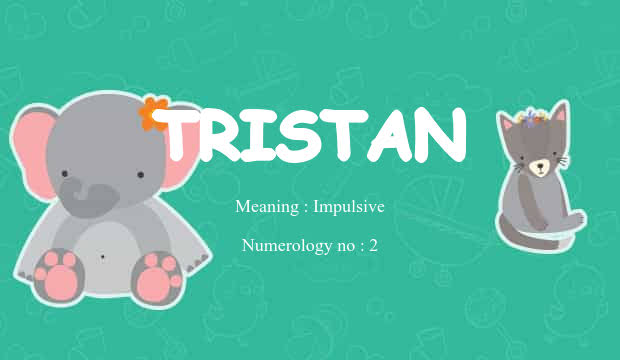
The name Tristan has become increasingly popular around the world due to its elegant sound, historical roots, and timeless appeal. Many parents who value biblical traditions often wonder about the Tristan meaning in Bible before choosing it for their child. Since biblical names often carry spiritual significance, it is natural to ask whether Tristan appears in Scripture or has a biblical connection.
Although Tristan is not a name directly mentioned in the Bible, it still possesses qualities and meanings that many Christians appreciate. Understanding its origin, symbolism, and relationship to biblical values can help parents make an informed decision. In this article, we will explore the Tristan meaning in Bible, its historical background, spiritual interpretation, and whether it is a suitable name for Christian families.
Is Tristan Mentioned in the Bible?
One of the most common questions people ask is whether Tristan is found anywhere in the Bible. The simple answer is no. The name Tristan does not appear in either the Old Testament or the New Testament. Unlike names such as David, John, Samuel, or Esther, Tristan has no direct biblical reference.
However, this does not mean the name is inappropriate for Christians. Many modern names that believers use today are not found in Scripture. Instead, they are appreciated for their positive meanings and the virtues they represent. Christianity focuses more on the character a person develops than whether their name appears in the Bible. Therefore, while Tristan is not a biblical name in the traditional sense, it can still hold spiritual value when associated with biblical principles such as courage, kindness, honesty, and faith.
Tristan Meaning in Bible Context
When discussing the Tristan meaning in Bible, it is important to distinguish between biblical appearance and biblical interpretation. Since the Bible never mentions Tristan, there is no official biblical definition.
The name Tristan is generally believed to have Celtic or Welsh origins. Many scholars connect it to the Welsh name “Drystan,” while others associate it with the Latin word tristis, meaning “sad” or “sorrowful.” Despite this possible meaning, the legendary figure Tristan is remembered for bravery, loyalty, and devotion rather than sadness.
From a Christian viewpoint, sadness itself is not viewed negatively. Throughout Scripture, many faithful servants of God experienced sorrow before finding hope. Stories of Job, David, Jeremiah, and even Jesus remind believers that sorrow can lead to spiritual growth, compassion, and dependence on God. Because of this, some Christians interpret Tristan as representing perseverance through life’s challenges rather than simply sadness.
The Origin and History of the Name Tristan
The history of Tristan stretches far beyond biblical times. The name became famous through the medieval legend of Tristan and Isolde, one of Europe’s greatest romantic stories. In these tales, Tristan is portrayed as a courageous knight known for loyalty, honor, and exceptional skill.
Long before becoming popular in literature, Tristan likely evolved from ancient Celtic traditions. Over centuries, the name spread across France, England, Ireland, and eventually throughout the world. Today it remains a favorite choice in many English-speaking countries.
Although its historical roots are not biblical, Christian families often appreciate names with noble characteristics. Tristan’s association with bravery, sacrifice, and loyalty closely resembles qualities praised throughout Scripture.
Biblical Values That Relate to Tristan
Even though Tristan does not appear in the Bible, several biblical virtues closely align with the qualities traditionally connected to the name.
One important value is courage. The Bible repeatedly encourages believers to be strong and courageous while trusting in God. Tristan’s legendary reputation for bravery fits well with this biblical principle.
Another important quality is loyalty. Scripture emphasizes faithfulness toward God, family, and others. Tristan’s unwavering devotion in medieval stories reflects this value.
Integrity is another connection. Christians are called to live honestly and treat others with love and respect. Parents who choose the name Tristan often admire these admirable characteristics rather than focusing solely on its historical origin.
Ultimately, the meaning a name acquires depends greatly on the life of the person who bears it. A child named Tristan can certainly grow into someone who reflects biblical virtues regardless of the name’s historical background.
Is Tristan a Good Christian Baby Name?
Many Christian parents wonder whether they should only choose names that appear in Scripture. While biblical names are popular, they are not the only acceptable option.
Choosing Tristan can still be meaningful because Christianity teaches that one’s relationship with God matters more than the name itself. Parents often choose names based on positive meanings, family traditions, cultural heritage, or personal preference.
If Tristan reminds parents of courage, loyalty, compassion, and faithfulness, then it can serve as an inspiring choice. During baptism or dedication, parents often pray that their child will grow into a faithful servant of God regardless of the name they carry.
Therefore, Tristan can certainly be considered an appropriate Christian name even though it is not directly biblical.
Spiritual Lessons Connected to the Name Tristan
Although Scripture does not define Tristan, believers can still associate it with several spiritual lessons.
Life includes seasons of joy as well as sorrow. The possible connection between Tristan and sadness reminds Christians that God remains faithful during difficult times. The Bible repeatedly teaches that suffering produces perseverance, character, and hope.
Another lesson is perseverance. Tristan’s legendary stories often portray determination despite hardship. Similarly, Christians are encouraged to remain steadfast in faith regardless of life’s circumstances.
The name can also symbolize compassion. People who understand suffering often become more caring toward others. This reflects Christ’s teaching to love one another and support those facing difficulties.
In this way, Tristan can carry a positive spiritual message rooted in biblical values rather than literal biblical references.
Popularity of the Name Tristan
Tristan has enjoyed steady popularity across many countries over the past several decades. Parents appreciate its classic sound, modern style, and rich historical background.
The name is commonly used in the United States, Canada, the United Kingdom, Australia, and several European countries. It appeals to families looking for a name that feels both traditional and contemporary.
Its popularity has also increased because it works well across different cultures and languages. Although not biblical, many Christian families continue choosing Tristan because of its noble reputation and positive associations.
Bible Verses That Reflect the Meaning Behind Tristan
Since Tristan does not appear in the Bible, there are no verses directly connected to the name. However, several passages reflect qualities commonly associated with Tristan.
Joshua 1:9 encourages believers to be strong and courageous, trusting that God is always with them.
Romans 5:3-5 teaches that suffering develops perseverance, character, and hope.
Galatians 6:9 reminds Christians not to grow weary in doing good because faithful endurance brings reward.
Psalm 46:1 declares that God is our refuge and strength during times of trouble.
These verses beautifully complement the symbolic meaning often associated with Tristan and provide spiritual encouragement for anyone carrying the name.
Final Thoughts on Tristan Meaning in Bible
Understanding the Tristan meaning in Bible requires recognizing that the name itself is not found in Scripture. Instead, Tristan has Celtic origins and became famous through medieval history and literature. While some interpretations connect the name with sadness, many people associate it with bravery, loyalty, perseverance, and honor.
For Christian families, choosing Tristan can still be a meaningful decision because biblical faith emphasizes godly character over the origin of a name. By raising a child to live according to biblical principles of love, courage, integrity, and faithfulness, parents give the name its deepest significance.
Ultimately, Tristan is a beautiful name that can carry both historical richness and spiritual inspiration, even without appearing directly in the pages of the Bible.
FAQs
What is the Tristan meaning in Bible?
Tristan is not mentioned in the Bible, so it has no official biblical meaning. However, many Christians associate it with virtues like courage, loyalty, perseverance, and faith.
Is Tristan a biblical name?
No. Tristan is not a biblical name and does not appear in either the Old Testament or the New Testament.
What is the origin of the name Tristan?
The name Tristan is believed to have Celtic or Welsh origins and is commonly linked to the medieval legend of Tristan and Isolde.
Does Tristan mean sadness?
Some scholars connect Tristan to the Latin word tristis, meaning “sad” or “sorrowful.” Others trace it to the Welsh name Drystan, making its exact meaning uncertain.
Can Christians use the name Tristan?
Yes. Many Christian families choose Tristan because of its positive qualities and noble associations, even though it is not found in the Bible.
What biblical values match the name Tristan?
The name is often associated with courage, faithfulness, perseverance, integrity, compassion, and loyalty—qualities that are strongly encouraged throughout Scripture.